 Bananabread-recipe.com
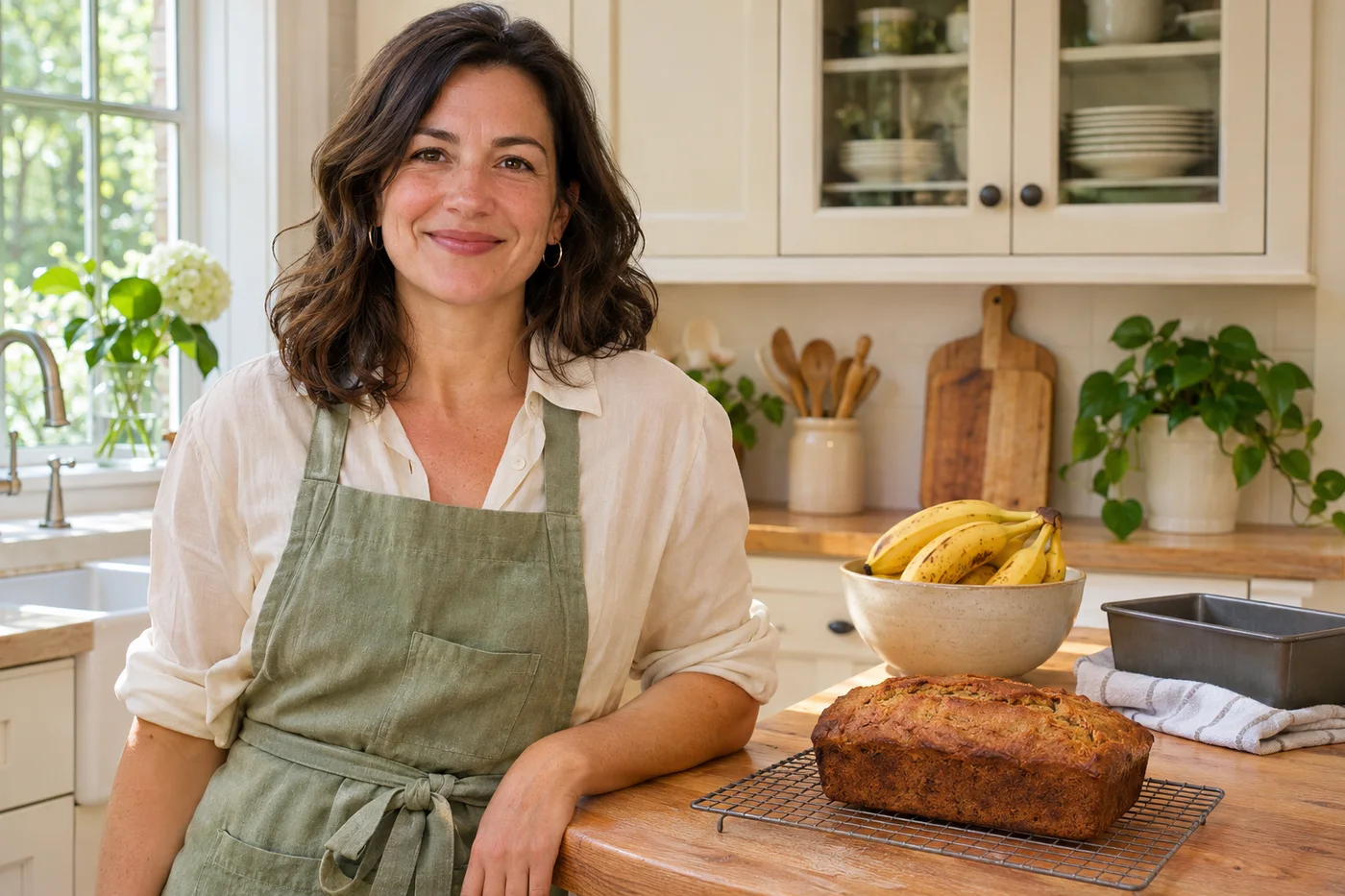
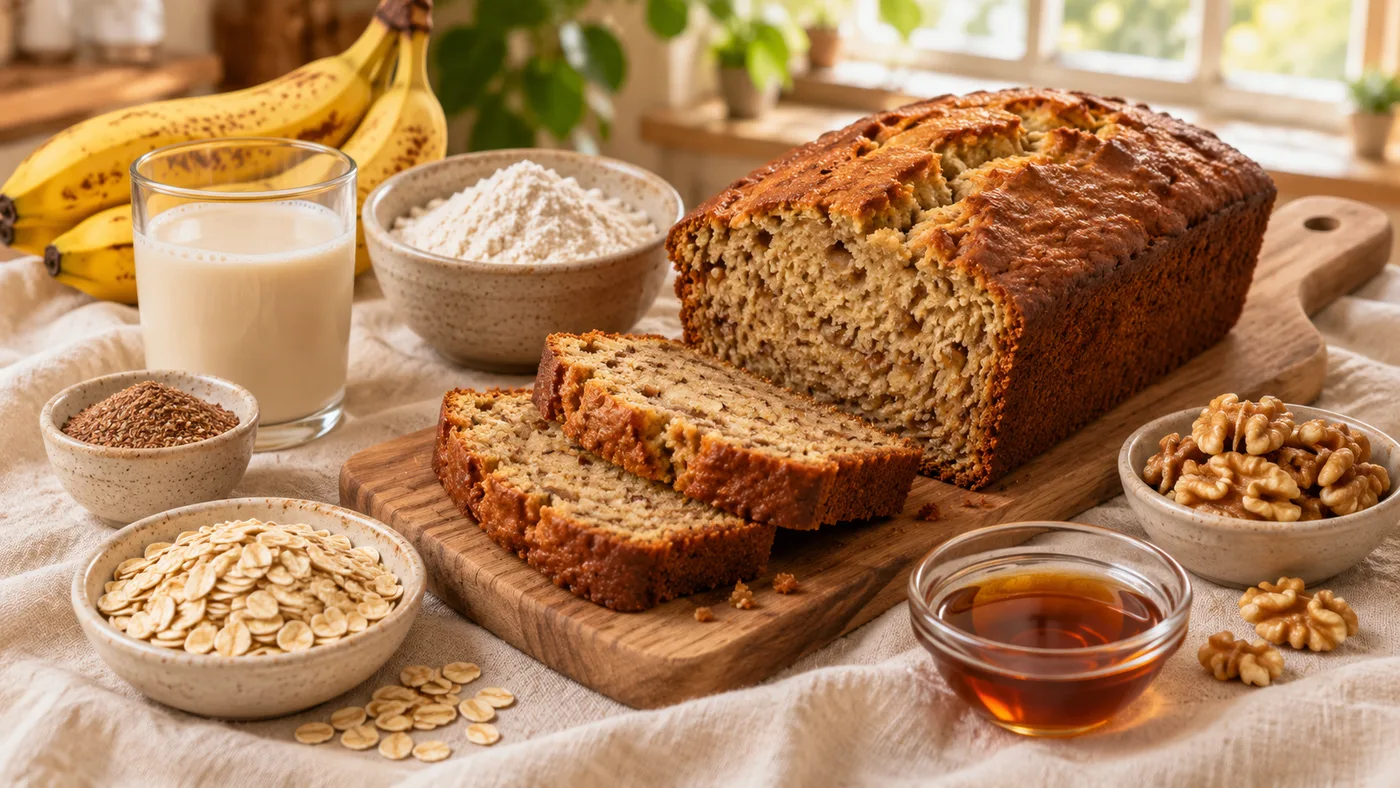
When someone asks me how to make banana bread fit a dietary need, my first answer is simple: decide which need matters, then begin with a formula built for that change. Banana bread is forgiving, but it is not indifferent. Eggs, flour, sugar, and fat each do more than one job, so changing several at once can make it impossible to understand why a loaf succeeded or failed.
Start with the dietary requirement, not a list of swaps
“Dietary banana bread” can mean very different things. One baker may need a loaf without eggs or dairy. Another may need to avoid gluten. Someone else may simply prefer less added sugar or more whole-grain flavor. Those goals call for different choices, and none of them automatically makes a loaf suitable for every person.
I begin by writing down the one non-negotiable requirement. Then I choose a tested direction from the dietary banana bread guides. This keeps the formula coherent and makes ingredient labels easier to check.
For vegan banana bread, replace structure as well as richness
Removing eggs and dairy affects binding, tenderness, browning, and flavor. Very ripe banana contributes some binding, but too much can leave the center heavy or gummy. A measured flax mixture can help hold the crumb together, while a neutral oil supplies the richness that butter normally brings.
My vegan banana bread guide starts with those roles already balanced. If you use it, resist the urge to add extra banana, replace all the flour, and reduce the sugar on the same first bake. Learn what the designed formula produces before making a second adjustment.
For gluten-free banana bread, the flour blend is the system
Wheat flour creates an elastic network that traps gas and supports the loaf as it rises. A gluten-free blend has to recreate enough of that structure with starches, whole-grain flours, and often a binder. That is why swapping an equal volume of a single flour—such as almond, coconut, or rice flour—rarely behaves like an all-purpose blend.
Use a blend intended for one-to-one baking in the gluten-free banana bread method, and check every packaged ingredient if cross-contact is a concern. Letting the mixed batter rest briefly can also give gluten-free flours time to hydrate before baking.
For less added sugar, protect moisture and browning
Sugar sweetens the loaf, but it also holds water, helps the crust brown, and keeps the crumb tender after cooling. Cutting it drastically can create a pale, firm loaf even when the bananas taste sweet. I prefer a moderate reduction, paired with deeply speckled fruit, rather than assuming banana can replace all the structural work of sugar.
The stage of the fruit matters here. The guide to banana ripeness for banana bread shows the visual cues I use: a strong aroma, softened flesh, and a peel covered with brown speckles. Ripe fruit improves flavor, but the banana still needs to be weighed so the batter does not become too wet.
Change one variable and keep a short bake note
My most useful dietary-baking habit is also the least glamorous: I keep a note. I record the flour or blend, peeled banana weight, pan size, oven temperature, baking time, and the exact substitution. After the loaf cools, I write down the height, tenderness, moisture, and flavor.
- Choose one complete formula that matches the main dietary requirement.
- Measure the flour and peeled banana by weight when possible.
- Make only one optional adjustment on the first test.
- Bake until the highest part of the center is set, not merely until the edges look done.
- Cool completely before judging the crumb.
That last point matters. A hot gluten-free or egg-free crumb may seem fragile or gummy even though it will settle as it cools. Cutting early can give you the wrong diagnosis.
Be precise about who the loaf is for
A vegan loaf is not necessarily gluten-free. A gluten-free loaf is not necessarily free from eggs, dairy, nuts, or other allergens. “Lower sugar” is not the same as sugar-free, and none of these labels is a medical guarantee. When baking for another person, ask what they need and read every ingredient label, including chocolate, flour blends, baking sprays, and add-ins.
If a severe allergy or medical condition is involved, home-kitchen cross-contact can matter as much as the recipe. Use guidance from an appropriate healthcare professional and the ingredient manufacturer rather than relying on a broad recipe label.
A reliable base makes comparisons useful
I still keep the foundational banana bread recipe nearby, even when I am making a dietary version. It reminds me what the standard ingredients contribute and gives me a useful reference for batter thickness, pan fill, doneness, and cooling. The goal is not to make every dietary loaf identical to the base loaf. It is to understand the tradeoffs and produce a loaf that is tender, cohesive, and genuinely enjoyable on its own terms.
Start with one need, use a formula designed around it, and take one clear note after the loaf cools. That is how a substitution becomes a repeatable recipe instead of a guess.