 Bananabread-recipe.com
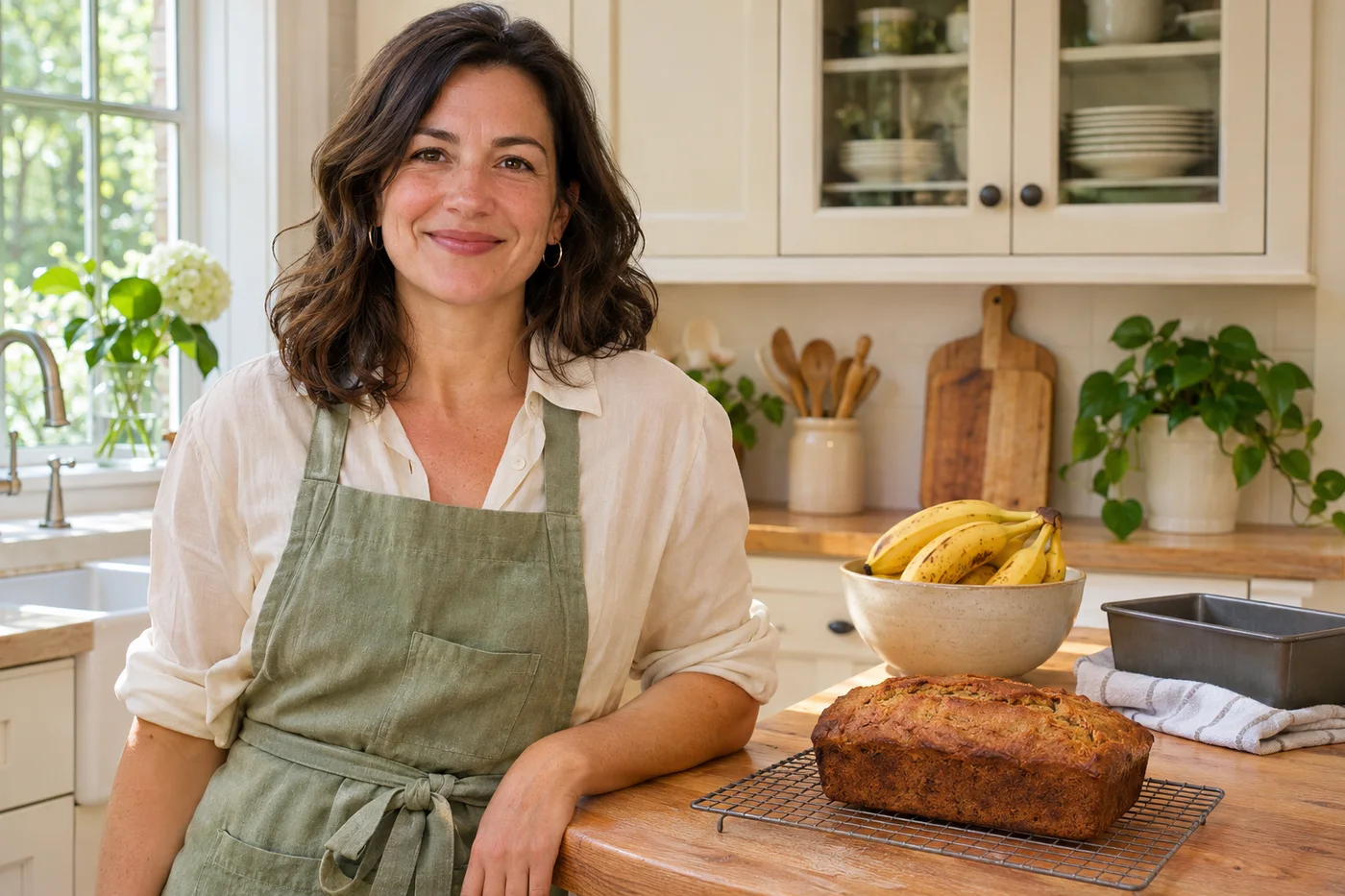
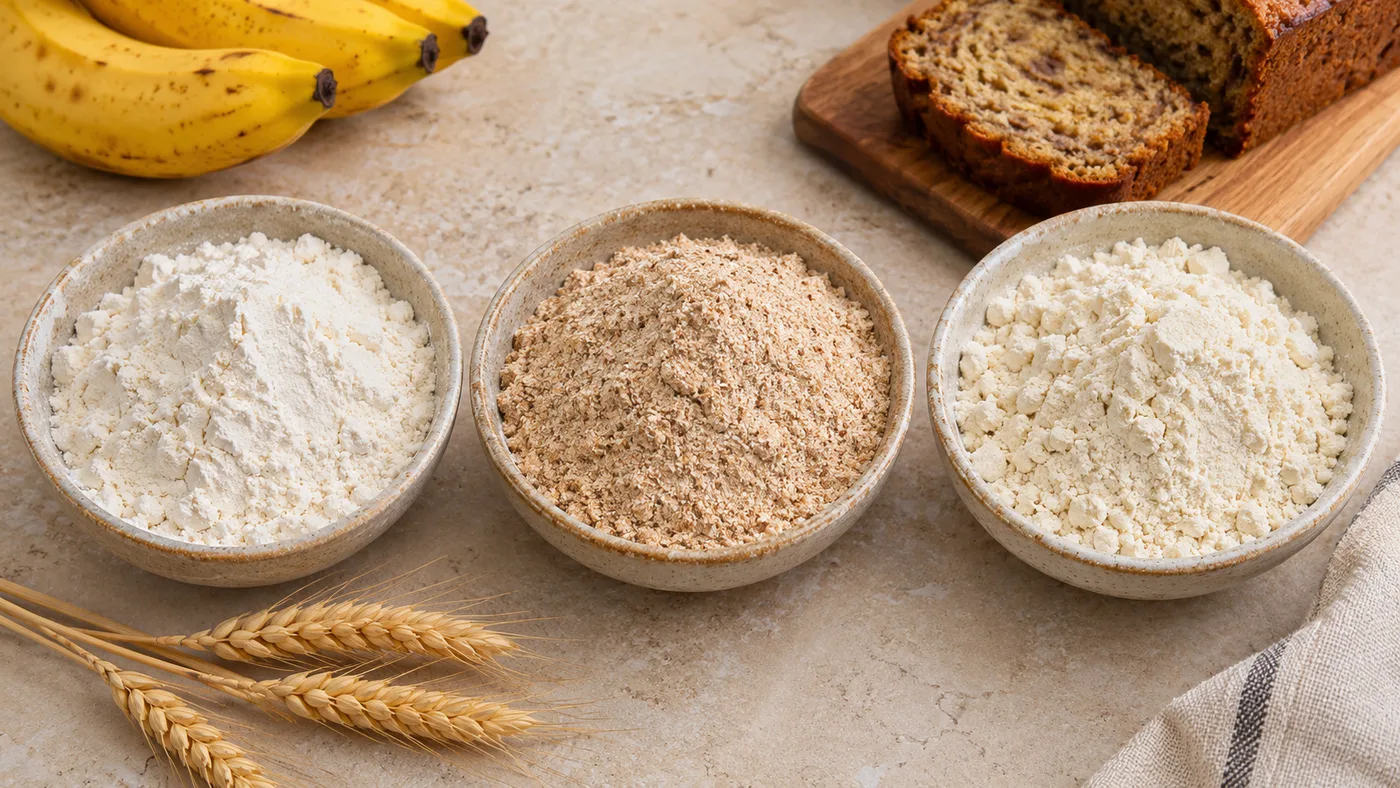
All-purpose flour gives the most balanced structure; lower- or higher-protein flours shift tenderness and chew. The result still depends on accurate measurement, the correct pan, and baking until the center—not only the edges—is set.
The three details that matter
1. Protein level influences gluten strength
This is the first control point for best flour for banana bread. Record the amount or condition the first time you bake so a later adjustment has a useful baseline.
2. Whole wheat absorbs more water
This changes how the batter holds air and moisture. Make the change before mixing in flour, then stop folding as soon as the batter is uniform.
3. Gluten-free blends need their own formulation
Use this as a decision cue instead of depending on time alone. Ovens, bananas, and pans vary, so sensory and temperature cues make the result repeatable.
How to apply this guidance
An ingredient can affect sweetness, water, fat, acidity, browning, and structure at the same time. Judge a swap by all of those roles.
- Read the complete method and confirm the pan size before starting.
- Weigh the peeled banana and flour when possible.
- Mix wet and dry ingredients separately, then combine gently.
- Check the center of the loaf and cool it on a rack before evaluating the crumb.
The mistake to avoid
Swapping flour cup for cup without considering absorption changes texture. Change one variable per bake so you can tell which adjustment actually improved the loaf.
Frequently asked questions
Can I apply this to any banana bread recipe?
Use the principle broadly, but keep the quantities from one complete formula together. Moving a single ingredient between unrelated recipes can upset water, fat, acid, and leavener balance.
How do I know the loaf is finished?
The crown should look set and spring back lightly. A tester in the highest central point should show moist crumbs rather than liquid batter; an instant-read thermometer commonly reads about 200–205°F.
When should I slice it?
Let the loaf rest in its pan for about 10–15 minutes, move it to a rack, and wait until the crumb has set. A very hot slice can look gummy even when the loaf was properly baked.