 Bananabread-recipe.com
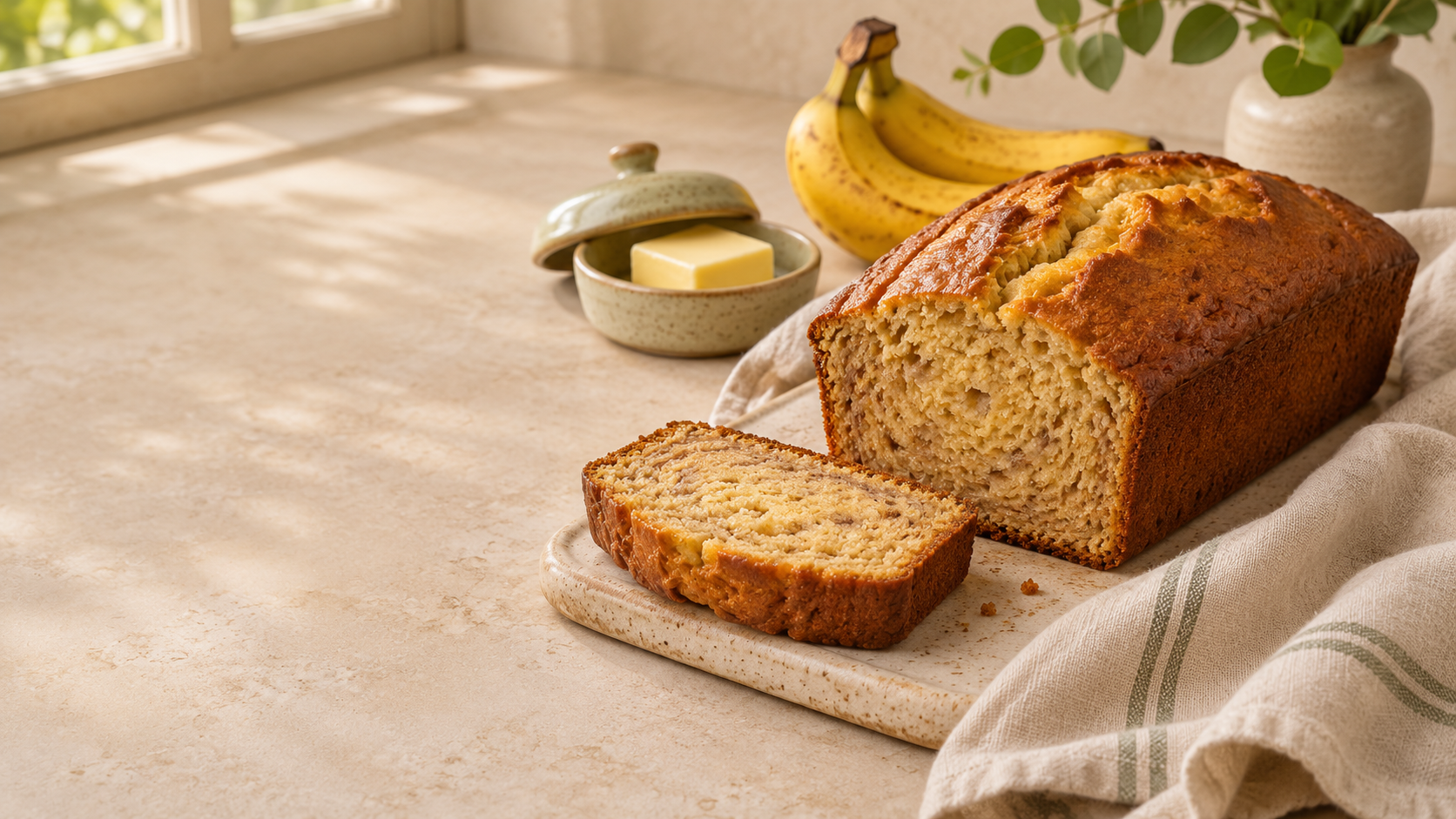
Use several cues together: a set crown, a clean or crumbed tester, spring-back, and approximately 200–205°F internally. The result still depends on accurate measurement, the correct pan, and baking until the center—not only the edges—is set.
The three details that matter
1. Test the center through the highest point
This is the first control point for how to know when banana bread is done. Record the amount or condition the first time you bake so a later adjustment has a useful baseline.
2. Avoid hitting melted chocolate
This changes how the batter holds air and moisture. Make the change before mixing in flour, then stop folding as soon as the batter is uniform.
3. Carryover heat finishes the crumb slightly
Use this as a decision cue instead of depending on time alone. Ovens, bananas, and pans vary, so sensory and temperature cues make the result repeatable.
How to apply this guidance
Set up the pan and oven first, then work efficiently. Chemical leavening begins reacting as soon as wet and dry ingredients meet.
- Read the complete method and confirm the pan size before starting.
- Weigh the peeled banana and flour when possible.
- Mix wet and dry ingredients separately, then combine gently.
- Check the center of the loaf and cool it on a rack before evaluating the crumb.
The mistake to avoid
A dark crust alone does not prove the center is baked. Change one variable per bake so you can tell which adjustment actually improved the loaf.