 Bananabread-recipe.com
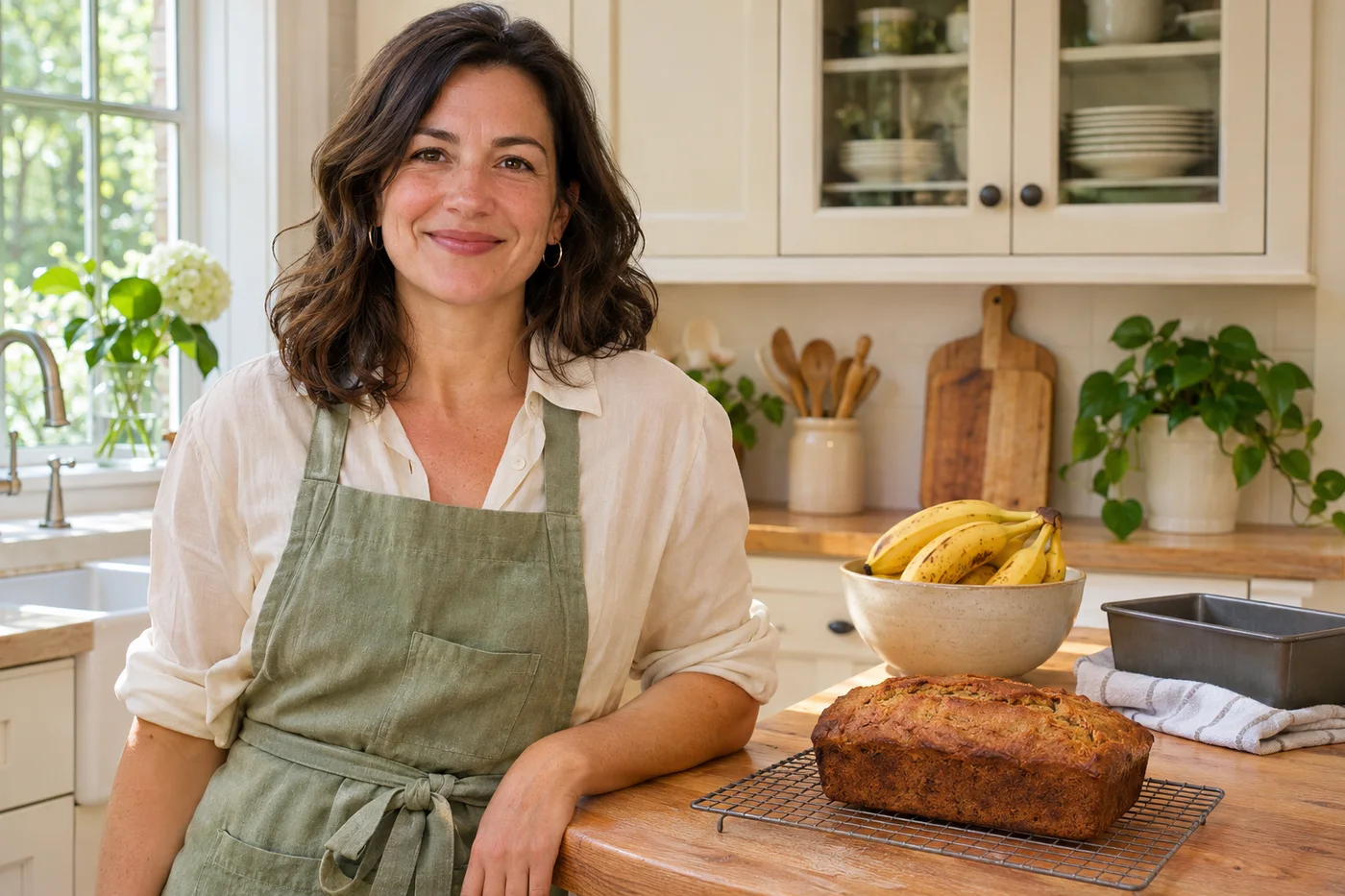
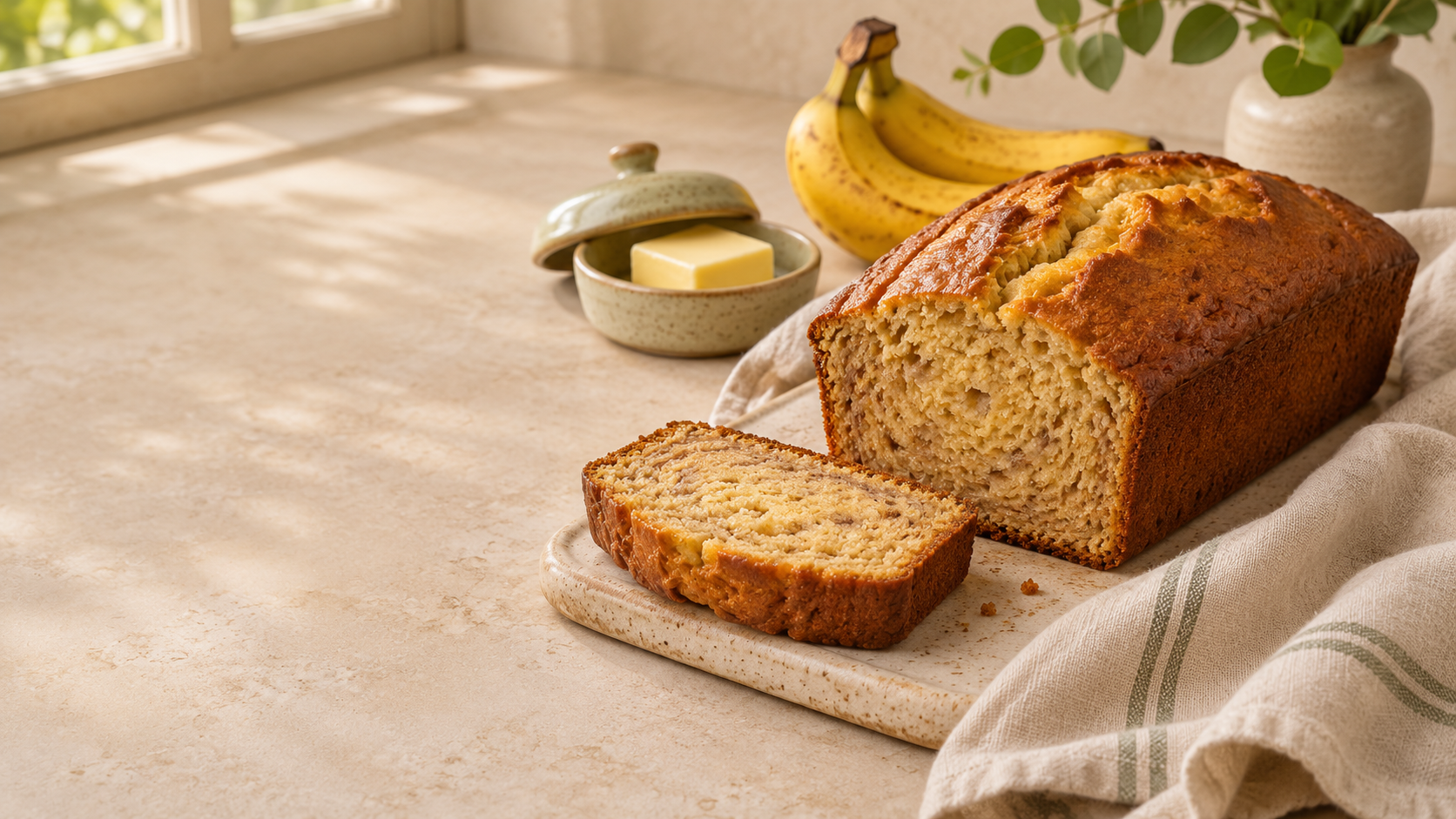
Combine wet and dry mixtures separately, then fold briefly to limit gluten development. The result still depends on accurate measurement, the correct pan, and baking until the center—not only the edges—is set.
The three details that matter
1. Break up leavener clumps before combining
This is the first control point for how to mix banana bread batter. Record the amount or condition the first time you bake so a later adjustment has a useful baseline.
2. Use a broad spatula for efficient folds
This changes how the batter holds air and moisture. Make the change before mixing in flour, then stop folding as soon as the batter is uniform.
3. Stop when only tiny flour traces remain
Use this as a decision cue instead of depending on time alone. Ovens, bananas, and pans vary, so sensory and temperature cues make the result repeatable.
How to apply this guidance
Set up the pan and oven first, then work efficiently. Chemical leavening begins reacting as soon as wet and dry ingredients meet.
- Read the complete method and confirm the pan size before starting.
- Weigh the peeled banana and flour when possible.
- Mix wet and dry ingredients separately, then combine gently.
- Check the center of the loaf and cool it on a rack before evaluating the crumb.
The mistake to avoid
Beating after flour is added creates tunnels and a rubbery crumb. Change one variable per bake so you can tell which adjustment actually improved the loaf.